India’s fuel prices have always been sensitive to global crude oil movements, and recent developments in March 2026 have once again brought the issue into sharp focus. Amid escalating geopolitical tensions in West Asia, particularly the conflict involving Iran, global crude oil prices have surged past $100 per barrel, with brief spikes nearing higher levels. While regular petrol and diesel retail prices have largely remained steady in most cities to shield everyday consumers, there has been a noticeable hike in premium petrol variants and industrial diesel. Reports indicate price adjustments that, in some contexts or premium segments, have effectively pushed costs higher by significant margins in major urban centers.
Current Petrol Prices in Major Cities
Retail prices for standard petrol have shown remarkable stability despite international volatility. Here’s a snapshot of approximate current rates across key metros and cities:
- Delhi: Petrol ₹94.77/litre, Diesel ₹87.67/litre
- Mumbai: Petrol ₹103.50–₹103.54/litre, Diesel ₹90.03/litre
- Kolkata: Petrol ₹105.41/litre, Diesel ₹92.02/litre
- Chennai: Petrol ₹100.80–₹101.06/litre, Diesel ₹92.39–₹92.61/litre
- Bengaluru: Petrol ₹102.92–₹102.96/litre, Diesel ₹90.99/litre
- Hyderabad: Petrol ₹107.46–₹107.50/litre, Diesel ₹95.70/litre
Prices vary slightly due to local taxes, VAT, and minor daily adjustments, but the four major metros show petrol comfortably above ₹100/litre in Mumbai, Kolkata, and often Chennai/Bengaluru. Delhi remains relatively lower thanks to lower state levies.
What Triggered the Recent Adjustments?
The primary driver has been the sharp rise in global crude oil prices triggered by tensions in the Middle East. Disruptions around the Strait of Hormuz—a critical chokepoint for a large portion of global oil supplies—have raised concerns over supply security. India imports around 85-90% of its crude requirements, making it vulnerable to such spikes.
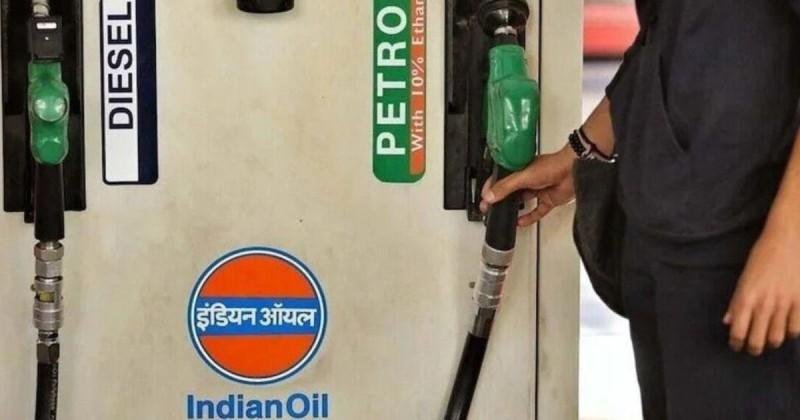
In response, state-run oil marketing companies (OMCs) like Indian Oil (IOCL), Bharat Petroleum (BPCL), and Hindustan Petroleum (HPCL) hiked prices of premium petrol variants (such as IOCL’s XP95, BPCL’s Speed, and HPCL’s Power) by ₹2.09 to ₹2.35 per litre effective around March 20, 2026. Industrial bulk diesel saw even steeper increases of up to ₹22 per litre in some cases. These changes come after a gap of several years in premium fuel revisions.
Regular automotive petrol and diesel prices, however, have been held steady by OMCs absorbing some under-recoveries, supported by government policy to avoid immediate burden on the common consumer. Premium fuels, which constitute only about 2-5% of total sales, cater mainly to high-performance vehicles and enthusiasts.
Why Do Petrol Prices Vary Across Cities?
Fuel pricing in India is a complex mix of:
- International crude costs + refining margins
- Central excise duty and cess
- State VAT and other local taxes (which can differ significantly—Maharashtra and West Bengal often have higher effective rates)
- Dealer commission
This explains why Mumbai and Kolkata consistently show higher pump prices compared to Delhi or Ahmedabad.
Impact on Consumers and the Economy
For most daily commuters using regular petrol, the direct hit has been limited so far. However, indirect effects are already visible:
- Transportation costs: Higher input costs for logistics, freight, and public transport could eventually push up prices of essential goods.
- Inflation concerns: Economists note that sustained high crude prices (around $100+/barrel) could add 20-40 basis points to inflation, depending on pass-through. The government has indicated that the current impact on retail inflation remains manageable as domestic prices are near the lower end of tolerance bands.
- Premium vehicle owners: Those using high-octane fuels for luxury or performance cars are directly affected by the ₹2+ hike.
- Businesses: Industries relying on bulk diesel have faced sharper cost increases, potentially affecting manufacturing and supply chains.
Longer-term risks include a wider current account deficit, pressure on the rupee, and higher subsidy burdens if OMCs are asked to continue absorbing losses. Analysts warn that if crude remains elevated for extended periods, retail prices may eventually see broader revisions.
Government and OMC Stance
Officials from the Ministry of Petroleum and Natural Gas have assured that regular fuel prices for the common man remain unchanged. OMCs emphasize that they are monitoring stocks, conducting surprise checks at outlets, and sourcing from diversified suppliers to minimize disruptions. The focus remains on cushioning the impact through strategic reserves and calibrated pricing.
Opposition voices have criticized the premium hike, arguing it adds to public burden amid other economic pressures, but the government maintains the adjustment is limited in scope.